


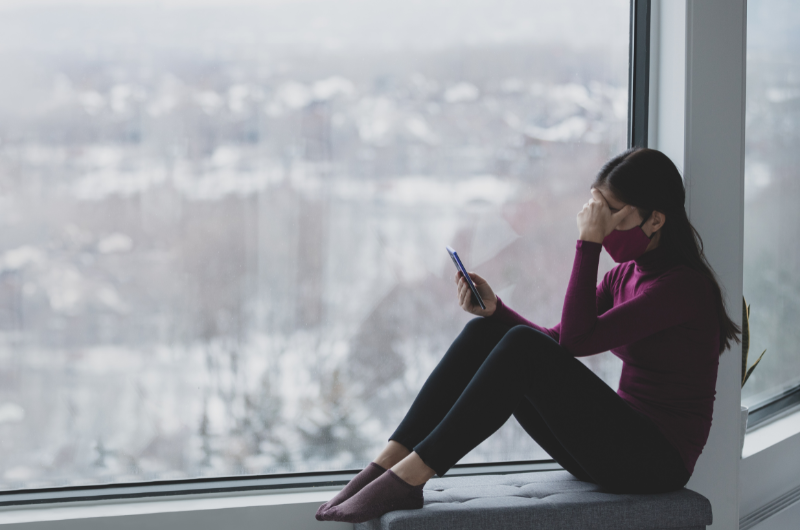
Scroll, like, compare, repeat. For most young adults, checking social media isn’t a choice — it’s a reflex woven into the first and last minutes of every day. But as platforms like Instagram, TikTok, and X have become more central to daily life, researchers, therapists, and young people themselves have started asking a harder question: what is all this scrolling actually doing to us?
The relationship between social media and mental health has become one of the most studied — and most debated — topics in modern psychiatry. For young adults in particular, who grew up alongside these platforms and often spend several hours a day on them, the stakes feel personal. This article breaks down what we currently know about social media and mental health, why young adults are especially affected, and what you can do if you suspect your feed is doing more harm than good.
The Connection Between Social Media and Mental Health
The link between social media and mental health isn’t just anecdotal anymore — it’s backed by a growing body of research. Studies have connected heavy social media use with higher rates of anxiety, depression, poor body image, and loneliness, particularly among people in their late teens and twenties. At the same time, researchers are careful to point out that the relationship is complex: social media doesn’t affect everyone the same way, and how someone uses these platforms often matters more than how much time they spend on them.
Passive scrolling — endlessly consuming other people’s curated highlight reels without actually interacting — tends to correlate more strongly with negative mood than active use, like messaging friends or posting your own content. This distinction is a key piece of understanding social media and mental health: the issue isn’t necessarily the technology itself, but the patterns of use that tend to accompany it.
Why Young Adults Are Especially Vulnerable
Young adulthood — roughly ages 18 to 29 — is a developmental period already defined by identity formation, social comparison, and heightened sensitivity to peer feedback. Layer social media on top of that, and you get a uniquely intense environment for forming self-worth.
A few factors make this age group particularly susceptible to the effects of social media and mental health struggles:
- Brain development. The prefrontal cortex, responsible for impulse control and long-term thinking, isn’t fully developed until the mid-20s, which can make it harder to self-regulate social media use.
- Life transitions. College, early career pressure, dating, and independence all coincide with the years when social media use tends to peak.
- Constant comparison. Young adults are more likely to compare their everyday lives to others’ edited, filtered versions of success, relationships, and appearance.
- Fear of missing out (FOMO). Seeing friends’ social events in real time can intensify feelings of exclusion or inadequacy.
This combination of biological and social factors is part of why so much of the current research on social media and mental health focuses specifically on this age group.
Instagram Anxiety: How Visual Platforms Affect Self-Esteem
Among all the platforms, Instagram tends to come up most often in mental health conversations — and for good reason. Because Instagram is built around images, filters, and carefully staged moments, it creates fertile ground for what’s commonly known as Instagram anxiety: the persistent, nagging worry that your body, lifestyle, relationships, or achievements don’t measure up to what you see on your feed.
Instagram anxiety often shows up as:
- Checking your phone repeatedly to monitor likes, comments, or follower counts
- Feeling worse about your appearance after scrolling through filtered photos
- Comparing your relationship, career, or body to influencers or peers
- Anxiety or dread before posting, worrying about how content will be perceived
- A drop in mood after spending time on the app, even without a specific negative event
Research has repeatedly linked heavy Instagram use to body image dissatisfaction, particularly among young women, though young men are increasingly reporting similar pressures around fitness and appearance. Instagram anxiety isn’t officially a clinical diagnosis, but for many young adults, it’s a very real and recognizable pattern — and one more data point in the broader picture of social media and mental health.
Screen Time and Mental Health: What the Research Shows
Beyond any single platform, the sheer amount of time spent on a phone has become its own area of concern. The link between screen time and mental health has been studied extensively over the past decade, and while findings vary, several patterns show up consistently:
- Heavier screen time is associated with higher rates of self-reported anxiety and depressive symptoms in young adults, especially when use exceeds three or more hours per day.
- Late-night phone use disrupts sleep quality, and poor sleep is itself one of the strongest predictors of worsening mental health.
- The type of screen time matters: time spent on social comparison-heavy apps tends to correlate with worse outcomes than time spent video chatting with friends or consuming educational content.
- Reducing screen time, even modestly, has been shown in some studies to improve mood and reduce loneliness within just a few weeks.
Understanding the role of screen time and mental health is useful because, unlike some other mental health stressors, screen time is something people have a meaningful amount of control over. Small, sustainable changes to phone habits can have a measurable impact on mood and anxiety levels over time.
Common Signs Social Media Is Affecting Your Mental Health
It isn’t always obvious when social media has crossed the line from harmless habit to something affecting your mental health. Here are some of the most common signs.
Comparison and Low Self-Worth
If you regularly find yourself feeling inadequate, unattractive, or “behind” in life after scrolling, that’s a strong signal that social comparison is taking a toll. This is often where Instagram anxiety shows up most clearly.
Sleep Disruption
Using your phone right before bed is one of the most common screen time and mental health complaints reported by young adults. Blue light exposure and mental stimulation from scrolling can delay sleep onset and reduce sleep quality, which in turn worsens mood and anxiety the next day.
FOMO and Social Isolation
Ironically, platforms designed to connect people can also deepen loneliness. Seeing a stream of social events you weren’t invited to, or feeling like your real-life social circle doesn’t measure up to what you see online, can increase isolation even while you’re spending hours “connected.”
Mood Changes Tied to Usage
Pay attention to how you feel before, during, and after using social media. If you consistently feel more anxious, irritable, or low immediately after closing the app, that’s a meaningful clue about how social media and mental health intersect in your own life.
The Positive Side of Social Media and Mental Health
It’s worth noting that the relationship between social media and mental health isn’t entirely negative. For many young adults, these platforms also provide real benefits:
- Access to supportive communities, including mental health awareness spaces and peer support groups
- Reduced isolation for people in rural areas, those with disabilities, or LGBTQ+ youth seeking community
- Easier maintenance of long-distance friendships and family relationships
- Exposure to mental health education and destigmatizing content from therapists and advocates
The goal isn’t necessarily to eliminate social media altogether, but to build a relationship with it that supports rather than undermines your wellbeing. Like most things related to mental health, context and moderation matter more than any single rule.
How to Build a Healthier Relationship with Social Media
If you suspect social media is affecting your mental health, there are practical, evidence-informed steps you can start with.
Reducing Screen Time for Better Mental Health
- Set daily app time limits using your phone’s built-in screen time tools
- Keep your phone outside the bedroom to protect sleep
- Designate phone-free blocks of time, such as the first hour after waking up
- Turn off non-essential notifications to reduce the urge to check constantly
- Replace a portion of scroll time with an offline activity you enjoy
Managing Instagram Anxiety Triggers
- Unfollow or mute accounts that consistently leave you feeling worse about yourself
- Curate your feed around content that’s informative, funny, or genuinely uplifting
- Remind yourself that posted content is curated, not a full picture of someone’s life
- Limit checking likes or comments to specific times rather than constantly refreshing
- Practice posting for yourself, rather than for validation
These strategies won’t eliminate every difficult feeling tied to social media, but over time, they can meaningfully shift how much power these platforms have over your mood and self-image.
When to Seek Professional Help for Social Media and Mental Health Concerns
For some young adults, self-guided changes are enough. For others, the anxiety, low mood, or sleep problems tied to social media use are part of a bigger picture that deserves professional attention. It may be time to talk to a mental health provider if:
- Anxiety or low mood is interfering with school, work, or relationships
- You’ve tried cutting back on your own without success
- You’re experiencing persistent sleep problems
- Social comparison is affecting your self-esteem on a daily basis
- You notice signs of depression, such as prolonged sadness, loss of interest, or withdrawal from loved ones
A psychiatrist or therapist can help you understand whether what you’re experiencing is a manageable habit issue or a sign of a broader anxiety or depressive disorder that would benefit from structured treatment, such as Cognitive Behavioral Therapy (CBT), which is particularly effective for addressing the thought patterns behind comparison, rumination, and social anxiety.
How Trumediq Can Help
At Trumediq, we understand how deeply social media and mental health are intertwined for today’s young adults. If you’re noticing persistent anxiety, low self-esteem, or mood changes that seem connected to your phone habits, our team can help you get to the root of it. We offer confidential, personalized virtual and in-person care for conditions commonly linked to heavy social media use, including:
- Anxiety treatment for the worry, comparison, and racing thoughts that often accompany Instagram anxiety
- Depression care for persistent low mood or loss of interest tied to social comparison and isolation
- Insomnia support for sleep problems linked to screen time and mental health concerns
- Medication management for patients who may benefit from a combined therapy and medication approach
You don’t have to untangle the effects of social media and mental health on your own. Our psychiatrists take the time to understand your specific symptoms, lifestyle, and goals before building a treatment plan that fits your life.
Final Thoughts
Social media isn’t going away, and for most young adults, it isn’t realistic — or necessary — to quit entirely. But understanding how social media and mental health affect each other gives you the power to use these platforms more intentionally, rather than letting them use you. Pay attention to how you feel before and after scrolling, set boundaries where you need them, and don’t hesitate to reach out for support if the anxiety, comparison, or sleep issues feel bigger than something you can manage alone.
If you’re ready to talk to someone about how social media may be affecting your mental health, book an appointment with Trumediq today. Our team is here to help you build a healthier relationship with both technology and yourself.