


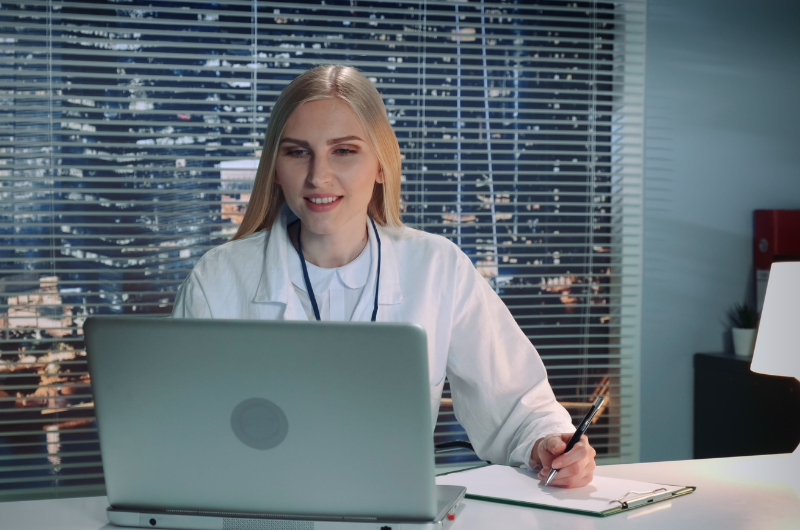
If you’ve been searching for mental health support online, you’ve probably come across the term telepsychiatry more than once. With more people turning to remote care, understanding what is telepsychiatry and how it fits into modern mental healthcare has become essential. This guide breaks down everything you need to know — from how sessions work to why more Americans are choosing virtual psychiatry USA services over traditional in-office visits.
What Is Telepsychiatry? A Simple Definition
So, what is telepsychiatry, exactly? In the simplest terms, telepsychiatry is a branch of telemedicine that allows psychiatrists to diagnose, treat, and monitor patients remotely using video calls, phone consultations, or secure messaging platforms. Instead of sitting in a waiting room, patients can connect with licensed psychiatrists from their home, office, or anywhere with a stable internet connection.
Telepsychiatry covers a wide range of services, including psychiatric evaluations, medication management, therapy sessions, and follow-up care. It has grown rapidly over the past several years, especially after the pandemic pushed healthcare providers to adopt digital tools. Today, telepsychiatry is recognized by major health organizations, insurance companies, and licensing boards as a legitimate and effective way to deliver mental health care.
Understanding what is telepsychiatry also means understanding what it is not. It isn’t a watered-down version of in-person care — it’s a full clinical service delivered through a different medium. The core components of psychiatric treatment — assessment, diagnosis, prescription, and ongoing support — remain exactly the same. Only the delivery method changes.
How Does Telepsychiatry Work?
Now that we’ve covered the definition, let’s answer the second half of the question: how does telepsychiatry actually work in practice?
Step 1: Scheduling an Appointment
The process typically begins the same way any online psychiatry service does — you sign up on a platform, fill out an intake form describing your symptoms and history, and select an available time slot with a licensed psychiatrist.
Step 2: The Virtual Consultation
During the appointment, you’ll connect with your provider through a secure video conferencing tool (or sometimes audio-only, depending on the platform and your preference). This session functions much like an in-person visit. The psychiatrist will ask about your symptoms, mental health history, current medications, and lifestyle factors that might be affecting your wellbeing.
Step 3: Diagnosis and Treatment Planning
Based on the conversation, the psychiatrist will provide a diagnosis (if applicable) and recommend a treatment plan. This might include therapy, medication, lifestyle changes, or a combination of approaches. If medication is prescribed, many telepsychiatry platforms can send prescriptions electronically to your local pharmacy.
Step 4: Follow-Up Care
Ongoing care is a major part of psychiatric treatment, and telepsychiatry makes follow-ups significantly easier. Instead of taking time off work or arranging transportation, patients can log back in for check-ins, medication adjustments, or therapy continuation — all from home.
This streamlined process is one of the biggest reasons online psychiatry has become so popular across the United States. It removes many of the logistical barriers that used to prevent people from seeking help in the first place.
The Technology Behind Telepsychiatry
To fully grasp what is telepsychiatry, it helps to understand the technology that powers it. Most platforms use HIPAA-compliant video conferencing software designed specifically for healthcare, ensuring that patient conversations remain private and secure. These systems often integrate with electronic health records (EHR), allowing psychiatrists to access patient history, track progress, and manage prescriptions all within one secure ecosystem.
Some telepsychiatry providers also use mobile apps that let patients message their care team between sessions, track mood patterns, or receive medication reminders. This added layer of communication helps improve consistency in care, something that’s often harder to achieve with traditional, infrequent office visits.
Why Telepsychiatry Has Grown So Quickly
There are several reasons telepsychiatry has become one of the fastest-growing segments of virtual psychiatry USA services:
1. Accessibility for Rural and Underserved Areas
Many parts of the country lack sufficient mental health providers, particularly in rural regions. Telepsychiatry closes this gap by connecting patients with psychiatrists regardless of geographic location.
2. Reduced Stigma
Some people feel more comfortable discussing sensitive mental health topics from the privacy of their own home rather than in a clinical waiting room. Online psychiatry offers a layer of discretion that encourages more people to seek help.
3. Convenience and Flexibility
Between work, family, and other obligations, finding time for an in-person appointment can be difficult. Virtual visits eliminate travel time and make it easier to fit mental health care into a busy schedule.
4. Continuity During Emergencies
The COVID-19 pandemic demonstrated how essential telepsychiatry could be during public health emergencies, when in-person visits were restricted or unsafe. This accelerated adoption and normalized virtual psychiatry USA-wide.
5. Cost Savings
Without the overhead of a physical office for every visit, many telepsychiatry providers can offer more competitive pricing, and patients save on transportation, parking, and time off work.
Telepsychiatry vs. In-Person Psychiatry: What’s the Difference?
A common question people ask alongside what is telepsychiatry is how it actually compares to traditional, face-to-face psychiatric care. Here’s a closer look:
| Factor | Telepsychiatry | In-Person Psychiatry |
|---|---|---|
| Location | Anywhere with internet access | Requires travel to a clinic or office |
| Wait times | Often shorter, more flexible scheduling | Can involve longer wait lists |
| Privacy | Conducted from a private space of your choice | Waiting rooms may reduce anonymity |
| Access to specialists | Broader access across state lines (where licensed) | Limited to local providers |
| Emergency care | Best for non-crisis situations | Better suited for acute emergencies |
| Cost | Often lower due to reduced overhead | Can include facility fees |
While telepsychiatry offers major advantages in convenience and access, in-person care still plays an important role for certain situations — particularly psychiatric emergencies, severe crises, or cases requiring physical examination. Many providers now offer a hybrid model, combining online psychiatry with in-person visits when necessary.
Who Can Benefit From Telepsychiatry?
Telepsychiatry isn’t just for a specific group — it serves a wide range of patients, including:
- Busy professionals who struggle to find time for traditional appointments
- Parents who need flexible scheduling around childcare
- College students managing academic stress while away from home
- Rural residents without local access to psychiatric specialists
- People with mobility limitations who find travel difficult
- Individuals managing anxiety or social discomfort related to in-person visits
- Patients relocating frequently, such as military families, who need consistent care regardless of location
Because virtual psychiatry USA platforms often allow psychiatrists to treat patients across multiple states (depending on licensing agreements), continuity of care becomes much easier for people who move often or split time between locations.
Is Telepsychiatry Effective?
One of the most important questions surrounding what is telepsychiatry is whether it actually works as well as traditional care. Research generally supports its effectiveness. Multiple studies have found that telepsychiatry produces comparable outcomes to in-person psychiatric treatment for conditions like depression, anxiety, PTSD, and ADHD. Patient satisfaction rates are also frequently high, with many reporting that the convenience of virtual visits actually improves their consistency in attending appointments — a critical factor in successful mental health treatment.
That said, effectiveness can depend on the individual case. Severe psychiatric emergencies, active suicidal crises, or conditions requiring physical assessment may still require in-person intervention. Reputable online psychiatry providers are trained to recognize these situations and will refer patients to appropriate emergency services when needed.
What Conditions Can Telepsychiatry Treat?
Telepsychiatry can address a broad spectrum of mental health conditions, including:
- Depression
- Anxiety disorders
- Bipolar disorder
- ADHD
- PTSD and trauma-related conditions
- OCD
- Insomnia and sleep-related issues
- Grief and adjustment disorders
- Substance use support (in coordination with other treatment)
Because psychiatric evaluation relies heavily on conversation, observation, and reported symptoms — rather than physical exams — most conditions translate well to a virtual format.
Choosing the Right Telepsychiatry Provider
If you’re considering online psychiatry for the first time, here are a few things to look for:
1. Licensing and Credentials
Make sure the psychiatrist is licensed in your state and has proper board certification.
2. Platform Security
Choose a provider that uses HIPAA-compliant technology to protect your privacy.
3. Insurance Compatibility
Many virtual psychiatry USA providers now accept insurance, so check whether your plan covers telepsychiatry visits.
4. Range of Services
Look for platforms offering both medication management and therapy, especially if you may need a combined treatment approach.
5. Reviews and Reputation
Patient reviews can offer helpful insight into the quality of care, communication style, and reliability of a given provider.
The Future of Telepsychiatry
As technology continues to evolve, telepsychiatry is expected to become even more integrated into mainstream healthcare. Artificial intelligence tools may soon assist psychiatrists with symptom tracking, mood pattern recognition, and personalized treatment recommendations. Wearable devices could also play a larger role, providing real-time data on sleep, activity, and physiological stress markers that support more precise psychiatric care.
Policy changes are likely to continue shaping the landscape as well. Many of the regulatory flexibilities introduced during the pandemic — such as prescribing controlled substances via telehealth — remain a subject of ongoing legislative discussion. As laws evolve, access to virtual psychiatry USA-wide is expected to expand further, making mental health care more equitable across different regions and demographics.
Common Myths About Telepsychiatry
Despite its growing popularity, a few misconceptions still surround telepsychiatry:
Myth 1: It’s less effective than in-person care.
As mentioned earlier, research consistently shows comparable outcomes between telepsychiatry and traditional psychiatric visits for most conditions.
Myth 2: It’s only for mild cases.
Telepsychiatry can support a wide range of severity levels, though acute emergencies still require in-person or emergency care.
Myth 3: Insurance doesn’t cover it.
Coverage has expanded significantly, and many insurance plans now include telepsychiatry as a standard benefit.
Myth 4: It’s difficult to build a relationship with a psychiatrist virtually.
Many patients report forming strong therapeutic relationships with their providers through video sessions, similar to in-person interactions.
Frequently Asked Questions About Telepsychiatry
What is telepsychiatry used for?
Telepsychiatry is used for psychiatric evaluations, ongoing therapy, medication management, and mental health monitoring — all delivered remotely through video or phone consultations.
Is telepsychiatry the same as online therapy?
Not exactly. While both are delivered remotely, telepsychiatry is specifically provided by psychiatrists who can diagnose conditions and prescribe medication, whereas online therapy is often provided by therapists or counselors focused on talk therapy.
Can a psychiatrist prescribe medication through telepsychiatry?
Yes. Most online psychiatry platforms allow licensed psychiatrists to prescribe medication electronically, sending prescriptions directly to a local pharmacy.
Is telepsychiatry available across all states in the US?
Availability depends on licensing. Many providers offering virtual psychiatry USA services are licensed in multiple states, but regulations vary, so it’s important to confirm coverage in your specific location.
How do I know if telepsychiatry is right for me?
If you’re looking for flexible, accessible mental health care and don’t require in-person emergency intervention, telepsychiatry can be an excellent option worth exploring.
Final Thoughts
So, what is telepsychiatry? At its core, it’s a modern, accessible, and clinically effective way to receive psychiatric care without the barriers of travel, long wait times, or geographic limitations. From diagnosis to medication management to ongoing therapy, telepsychiatry offers the same quality of care as traditional psychiatry — just delivered through a screen instead of an office visit.
As more providers embrace online psychiatry and regulations continue to support remote care, virtual psychiatry USA services are likely to become an even more central part of how Americans manage their mental health. Whether you’re dealing with anxiety, depression, or simply want more flexible access to a psychiatrist, understanding what is telepsychiatry is the first step toward finding a treatment option that fits your life.