


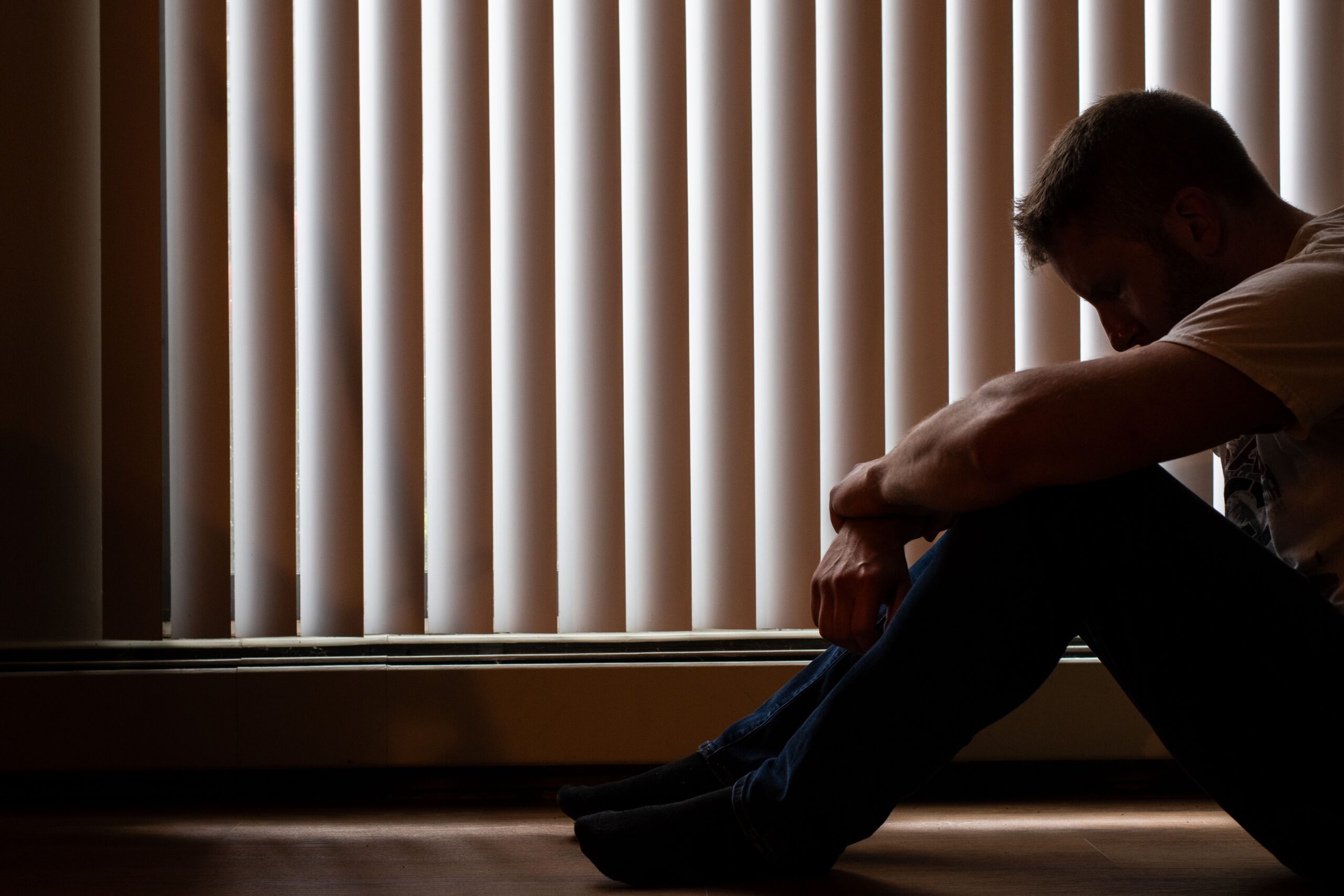
If you’ve been feeling low for weeks, struggling to get through your day, or finding that nothing seems to help, it may be time to talk to a telepsychiatrist. Common signs include ongoing sadness or emptiness, trouble sleeping or sleeping too much, loss of interest in things you used to enjoy, low energy, trouble concentrating, and thoughts that life isn’t worth living. If these signs last more than two weeks and start affecting your work, relationships, or daily routine, an online psychiatrist can help you figure out what’s going on and build a treatment plan that actually fits your life.
A telepsychiatrist is a licensed psychiatrist who meets with you through video calls instead of an in-person office visit. They can diagnose depression, prescribe medication when needed, and adjust your treatment over time, all without you having to sit in a waiting room. For many people, this makes getting help feel less intimidating and a lot more doable.
What Does Depression Actually Feel Like?
Depression isn’t just “being sad.” It’s a persistent heaviness that doesn’t lift even when good things happen. Some days you might feel numb rather than sad, like you’re watching your own life from a distance. Other days it might show up as irritability, restlessness, or just feeling tired no matter how much you sleep.
It can also show up in your body. Headaches, stomach issues, muscle aches, and general tension are common physical symptoms that people don’t always connect to their mental health. Many people go to their primary care doctor for these symptoms first, without realizing depression could be the root cause.
Everyone experiences it a little differently, which is part of why it can be hard to know when what you’re feeling has crossed the line from a rough patch into something that needs professional attention. A stressful week at work or a difficult breakup can leave anyone feeling drained for a few days. Depression is different because it lingers, deepens, and starts to touch nearly every part of your life.
Why Do People Wait So Long to Get Help?
Many people notice these signs in themselves months, sometimes years, before they actually talk to a professional. There are a few common reasons for this.
Does Stigma Still Play a Role?
Even though awareness around mental health has grown, some people still worry about being judged for seeking psychiatric care. This fear can be strong enough to keep someone from reaching out even when they know they need support.
Do People Assume It Will Just Pass?
It’s common to tell yourself that things will get better on their own, especially if you’ve had rough patches before that eventually improved without treatment. Depression doesn’t always work that way, though, and waiting it out can sometimes let symptoms get worse.
Is Access to Care Part of the Problem?
In many parts of Florida and across the country, there simply aren’t enough psychiatrists to meet demand. Long wait times, limited office hours, and the hassle of travel stop people from booking that first appointment. This is exactly the gap telepsychiatry was built to close.
What are the Main Signs You May Need a Telepsychiatrist for Depression?
Here are the signs mental health professionals commonly look for when deciding whether someone would benefit from psychiatric care.
Are You Feeling Sad or Empty Most of the Day, Nearly Every Day?
A short bad mood is normal. But if you notice a heavy, low, or empty feeling that sticks around for most of the day, and it’s been happening for two weeks or longer, that’s a signal worth paying attention to.
Have You Lost Interest in Things You Used to Enjoy?
This is one of the clearest markers of depression. Hobbies, friends, food, even things you once looked forward to might start feeling flat or pointless. If you find yourself skipping activities you used to love, not because you’re busy but because you just don’t feel like it, that’s worth mentioning to a psychiatrist.
Is Your Sleep Off, Either Too Much or Too Little?
Depression often messes with sleep in one of two ways. Some people can’t fall asleep or wake up at 3 a.m. and can’t get back to sleep. Others sleep far more than usual and still wake up feeling exhausted. Either pattern, if it lasts for weeks, can be a sign that something deeper is going on.
Do You Feel Tired All the Time, Even After Resting?
Fatigue that doesn’t improve with rest is a common but often overlooked symptom of depression. If getting out of bed feels like a monumental task, or simple chores leave you drained, this fatigue may be more mental than physical.
Are You Having Trouble Concentrating or Making Decisions?
Depression can make your brain feel foggy. You might reread the same email three times, forget what you walked into a room for, or feel stuck when trying to make even small decisions. If this is affecting your work or your ability to manage everyday tasks, it’s a sign to take seriously.
Have Your Eating Habits Changed Noticeably?
Some people lose their appetite completely and start skipping meals. Others turn to food for comfort and notice weight gain. Either way, a real shift in how you eat, without trying to diet or change your habits on purpose, can point to depression.
Do You Feel Worthless or Guilty for No Clear Reason?
Constant self-criticism, feeling like a burden, or replaying past mistakes on a loop are common depression symptoms. These thoughts can feel very convincing, even when there’s no real reason behind them, and they tend to get worse without treatment.
Have You Had Thoughts of Death or Suicide?
This is one of the most serious signs and should never be ignored. If you’ve had thoughts of not wanting to be alive, or thoughts of hurting yourself, please reach out for help right away. You can call or text 988 to reach the Suicide and Crisis Lifeline anytime, day or night. A telepsychiatrist can also help, but if you are in immediate danger, call 911 or go to your nearest emergency room.
Have You Pulled Away From Friends and Family?
Withdrawing from people you care about is a common but often unnoticed sign of depression. You might cancel plans more often, let calls and texts go unanswered, or start avoiding social situations altogether. Over time, this isolation can make the depression itself feel even heavier, since the people who might otherwise support you are being kept at a distance.
Do Small Tasks Feel Overwhelming?
Things that used to take no thought at all, like doing laundry, answering emails, or making a doctor’s appointment, can start to feel like massive undertakings. If you notice yourself avoiding simple responsibilities because they feel too heavy to face, that’s a sign your mental health may need attention.
How Long Should These Symptoms Last Before You See a Psychiatrist?
A general guideline used in clinical settings is two weeks. If several of the signs above have been present most of the day, nearly every day, for two weeks or longer, it’s a reasonable point to reach out to a psychiatrist. You don’t have to wait until things feel unbearable. Getting support earlier often makes treatment shorter and easier.
How is a Telepsychiatrist Different From a Therapist?
This is one of the most common questions people ask before their first appointment.
What Does a Telepsychiatrist Do?
A telepsychiatrist is a medical doctor trained in mental health. They can diagnose depression, prescribe and manage medication, and monitor how your body responds to treatment over time. Many also offer brief supportive check-ins during appointments.
What Does a Therapist Do?
A therapist, such as a licensed counselor or psychologist, focuses on talk therapy. They help you work through thoughts, feelings, and behaviors, but in most states they cannot prescribe medication.
Do You Need Both?
Many people benefit from combining medication management with a psychiatrist and regular talk therapy with a counselor. Others find that one or the other is enough. A telepsychiatrist can help you decide what combination makes sense for your situation.
What Happens During Your First Telepsychiatry Appointment?
Knowing what to expect can make that first step feel less overwhelming.
Will You Be Asked About Your Symptoms and History?
Yes. Your psychiatrist will ask about your current symptoms, how long they’ve lasted, your medical history, any medications you’re taking, and whether depression or other mental health conditions run in your family.
Will You Get a Diagnosis Right Away?
In many cases, yes. Depression can often be diagnosed during the first visit based on your symptoms and history. If your situation is more complex, your psychiatrist may want a follow-up visit before finalizing a diagnosis.
Will Medication Be Prescribed Immediately?
Not always, and that’s okay. Some people start medication right away, while others begin with lifestyle changes or therapy first. If medication is recommended, your psychiatrist will explain the options, possible side effects, and how long it typically takes to notice improvement.
Is Online Psychiatry as Effective as In-Person Care?
Research on telepsychiatry has consistently shown that video-based psychiatric care works about as well as in-person visits for diagnosing and treating depression. For many patients, the comfort of being in their own home actually makes it easier to open up honestly about what they’re experiencing.
Prescribing and adjusting medication over video calls has also become standard practice, and psychiatrists are able to track your progress through regular check-ins just as they would in an office setting. The main difference patients tend to notice is convenience, not quality of care.
What Should You Look for When Choosing a Telepsychiatrist?
Are They Licensed in Your State?
Psychiatrists must be licensed in the state where you’re physically located during your appointment. If you live in Florida, make sure the psychiatrist you choose is licensed to practice there.
Do They Have Experience Treating Depression?
Depression can look different from one person to the next, and treatment often needs to be adjusted over time. Choosing a psychiatrist with specific experience in mood disorders can make that process smoother.
Is Scheduling Flexible?
Look for a provider who offers appointment times that actually work with your schedule, along with a simple way to book, reschedule, or message your care team between visits.
What are the Benefits of Choosing a Telepsychiatrist for Depression?
- No commute, no waiting room, and no need to take a full day off work
- Easier to fit appointments around a busy schedule
- More privacy, since you’re speaking from a space you’re comfortable in
- Faster access to care, especially in areas with few local psychiatrists
- Ongoing medication management without repeated in-person visits
How Do You Know if It’s Time to Reach Out?
If you’ve read through the signs above and recognized several of them in yourself, that’s usually a good enough reason to book an appointment. You don’t need to hit a certain severity level or wait for things to get worse. Depression tends to respond better to treatment the earlier it’s addressed, and a telepsychiatrist can help you start feeling like yourself again.
Get Support From a Licensed Telepsychiatrist in Miami
At TruMediQ, our licensed psychiatrists offer confidential, convenient video appointments for depression and other mental health concerns, right from wherever you are in Florida. If any of the signs in this article sound familiar, reach out today to schedule a consultation and take the first step toward feeling better.