


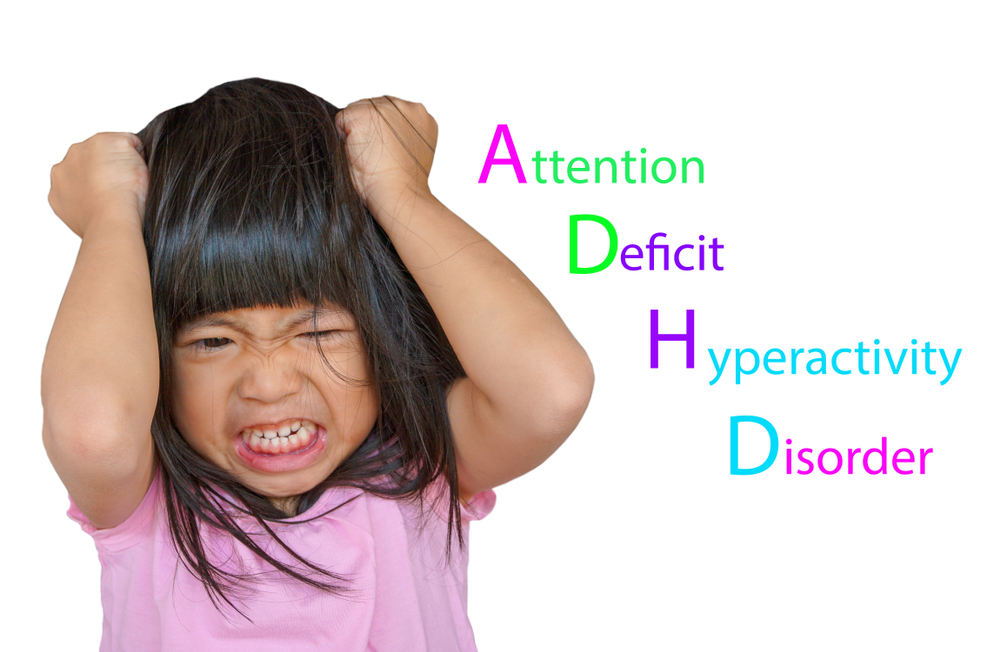
Attention-Deficit/Hyperactivity Disorder (ADHD) is often associated with difficulty focusing, impulsivity, and restlessness. However, many people are surprised to learn that ADHD affects far more than attention alone. One of the most common and challenging questions is: can ADHD cause depression and anxiety?
The answer is yes, ADHD can significantly increase the risk of both depression and anxiety, especially when symptoms go undiagnosed or untreated. Understanding this connection is essential for accurate diagnosis, effective treatment, and long-term mental well-being.
Understanding ADHD Beyond Attention
ADHD is a neurodevelopmental disorder that affects how the brain regulates attention, emotions, motivation, and impulse control. It impacts both children and adults and often continues throughout life.
Core ADHD symptoms include:
-
Inattention
-
Hyperactivity
-
Impulsivity
-
Emotional dysregulation
-
Executive function difficulties
Because ADHD affects emotional regulation and daily functioning, it can indirectly contribute to other mental health conditions.
Can ADHD Cause Depression and Anxiety?
ADHD does not directly cause depression or anxiety in the way an infection causes illness. However, ADHD strongly increases vulnerability to both conditions due to chronic stress, emotional overwhelm, and repeated negative experiences.
People with ADHD are statistically more likely to develop:
-
Generalized anxiety disorder
-
Panic disorder
Why ADHD Increases the Risk of Depression
1. Chronic Feelings of Failure
People with ADHD often struggle with:
-
Missed deadlines
-
Disorganization
-
Forgetfulness
-
Difficulty following through
Over time, repeated setbacks can lead to:
-
Low self-esteem
-
Hopelessness
-
Persistent sadness
2. Negative Self-Talk
Many individuals internalize criticism from childhood, leading to thoughts such as:
-
“I’m lazy”
-
“I’m not good enough”
-
“I always mess things up”
This pattern increases the risk of depressive thinking.
3. Burnout and Emotional Exhaustion
Trying to function in a world not designed for ADHD can cause:
-
Mental fatigue
-
Emotional numbness
-
Loss of motivation
These are hallmark features of depression.
How ADHD Contributes to Anxiety
1. Constant Overwhelm
ADHD makes it difficult to manage time, prioritize tasks, and stay organized. This creates:
-
Ongoing stress
-
Anticipatory worry
-
Fear of forgetting or failing
2. Fear of Making Mistakes
Many people with ADHD develop anxiety around:
-
Work performance
-
School expectations
-
Social interactions
This may evolve into performance anxiety or social anxiety disorder.
3. Emotional Dysregulation
ADHD affects the brain’s ability to regulate emotions, leading to:
-
Intense reactions
-
Difficulty calming down
-
Heightened stress responses
These features overlap strongly with anxiety disorders.
ADHD, Anxiety, and Depression Together (Comorbidity)
It’s common for ADHD, anxiety, and depression to occur together—a phenomenon known as comorbidity.
Research shows:
-
Many adults with ADHD have at least one anxiety disorder
-
Depression is more common in untreated ADHD
-
Symptoms often overlap and mask one another
This overlap can complicate diagnosis and delay appropriate treatment.
Shared Symptoms That Create Confusion
Some symptoms appear in all three conditions, including:
-
Difficulty concentrating
-
Restlessness
-
Irritability
-
Sleep problems
-
Fatigue
Because of this, ADHD is often misdiagnosed as anxiety or depression alone—especially in adults.
ADHD in Adults: Why Depression and Anxiety Often Appear Later
Many adults with ADHD were never diagnosed as children. Instead, they spent years compensating—until coping strategies stopped working.
Adult stressors such as:
-
Career demands
-
Parenting responsibilities
-
Financial pressure
can overwhelm coping mechanisms, triggering anxiety and depressive episodes.
Does Treating ADHD Improve Depression and Anxiety?
In many cases, yes.
When ADHD is properly treated:
-
Daily functioning improves
-
Emotional regulation stabilizes
-
Stress levels decrease
-
Confidence increases
As a result, symptoms of anxiety and depression often lessen.
However, some individuals need combined treatment for all conditions.
Treatment Options for ADHD, Depression, and Anxiety
1. Comprehensive Psychiatric Evaluation
Accurate diagnosis is critical. A psychiatrist assesses:
-
Symptom history
-
Onset timeline
-
Functional impairment
-
Overlapping conditions
This prevents misdiagnosis and inappropriate treatment.
2. Medication Management
Treatment may include:
-
ADHD medications (stimulant or non-stimulant)
-
Antidepressants
-
Anti-anxiety medications
Medication plans are personalized and closely monitored.
3. Therapy
Evidence-based therapies include:
-
ADHD-focused coaching
-
Skills-based therapy for emotional regulation
Therapy helps address negative thought patterns and coping skills.
4. Lifestyle and Behavioral Support
Supportive strategies include:
-
Structured routines
-
Sleep optimization
-
Stress management
-
Executive function tools
These reduce symptom burden across all conditions.
When ADHD Is Mistaken for Anxiety or Depression
Common scenarios include:
-
Treating depression without addressing ADHD
-
Treating anxiety while attention symptoms persist
-
Partial improvement with lingering functional struggles
This highlights the importance of specialized psychiatric care.
Here are the some useful links:
-
ADHD Evaluation & Treatment
-
Depression Treatment
-
Anxiety Treatment
-
Medication Management Services
-
Telepsychiatry Appointments
These internal links support SEO structure and conversion pathways.
When to Seek Professional Help
Consider professional evaluation if you experience:
-
Ongoing anxiety or sadness
-
Difficulty functioning at work or school
-
Emotional overwhelm
-
Poor concentration with mood symptoms
-
Burnout despite effort
Early treatment can prevent long-term emotional distress.
Final Thoughts
So, can ADHD cause depression and anxiety?
While ADHD does not directly cause these conditions, it significantly increases the risk—especially when left untreated.
The good news is that with accurate diagnosis and integrated care, people with ADHD can experience meaningful improvement in focus, mood, emotional regulation, and overall quality of life. Treating ADHD often reduces the emotional burden that fuels anxiety and depression.
If you suspect ADHD may be contributing to your mental health challenges, a licensed psychiatric provider can help you find clarity, balance, and effective treatment.
