


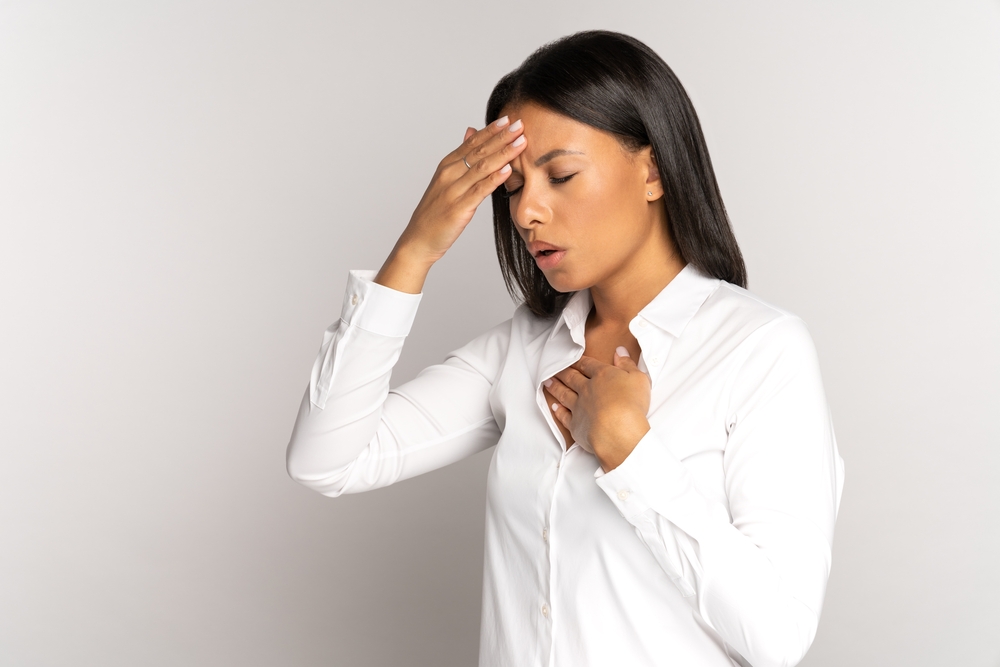
Shortness of breath can be frightening—especially when it happens suddenly or without an obvious physical cause. Many people worry they’re experiencing a heart or lung problem, but a common and often overlooked cause is anxiety.
So, can anxiety cause shortness of breath?
Yes. Anxiety and panic can directly affect breathing patterns, creating a sensation of not getting enough air—even when oxygen levels are normal.
Understanding why this happens, how to recognize anxiety-related breathing symptoms, and when to seek professional help can bring reassurance and prevent unnecessary fear.
How Anxiety Affects Breathing
Anxiety triggers the body’s fight-or-flight response, which prepares you to respond to danger—even when no real threat is present.
When anxiety activates this response, your body releases stress hormones like adrenaline and cortisol, causing changes such as:
-
Rapid breathing (hyperventilation)
-
Chest tightness
-
Muscle tension
-
Increased heart rate
These changes are automatic and not under conscious control.
Keyword variation: anxiety and shortness of breath
Why Anxiety Causes Shortness of Breath
Anxiety-related shortness of breath happens for several reasons:
1. Hyperventilation
When anxious, you may breathe faster or more shallowly than normal. This reduces carbon dioxide levels in the blood, which can cause:
-
Air hunger
-
Chest discomfort
-
Lightheadedness
-
Tingling in hands or lips
Keyword variation: anxiety hyperventilation shortness of breath
2. Chest Muscle Tension
Anxiety causes muscle tightening, including the chest and diaphragm. This can make breathing feel restricted or labored.
3. Heightened Body Awareness
Anxiety increases sensitivity to bodily sensations. Normal breathing variations may suddenly feel alarming or uncomfortable.
4. Panic Attacks
During panic attacks, shortness of breath is one of the most common symptoms. Even though it feels intense, it is not dangerous.
Keyword variation: panic attack shortness of breath
What Anxiety-Related Shortness of Breath Feels Like
People often describe anxiety-related breathing symptoms as:
-
Feeling unable to take a deep breath
-
Tightness or pressure in the chest
-
Needing to yawn or sigh frequently
-
Breathing feeling “manual” or forced
-
A sensation of choking or suffocating
These symptoms may come and go and often worsen during stress or worry.
Can Anxiety Cause Shortness of Breath Without Panic?
Yes. Anxiety-related breathing issues don’t always involve panic attacks.
Chronic anxiety, generalized anxiety disorder (GAD), or prolonged stress can cause persistent breathing discomfort, even at rest.
Keyword variation: shortness of breath anxiety without panic
Anxiety vs. Medical Causes: How to Tell the Difference
While anxiety can cause shortness of breath, it’s important to rule out medical conditions—especially if symptoms are new or severe.
Common Anxiety Clues
-
Symptoms appear during stress or worry
-
Breathing improves with relaxation
-
No abnormal test results
-
Symptoms fluctuate
Medical Red Flags (Seek Immediate Care)
-
Chest pain radiating to arm or jaw
-
Bluish lips or fingers
-
Fever, cough, or wheezing
-
Shortness of breath at rest or during minimal activity
-
History of heart or lung disease
A psychiatric provider can help determine whether anxiety is the primary cause once medical conditions are ruled out.
Conditions Where Anxiety and Shortness of Breath Overlap
Anxiety-related breathing issues commonly coexist with:
-
Generalized Anxiety Disorder (GAD)
-
Panic Disorder
Keyword variation: anxiety breathing problems
How Long Can Anxiety-Related Shortness of Breath Last?
Duration varies depending on the individual and underlying anxiety severity:
-
Minutes to hours during panic attacks
-
Days to weeks during ongoing anxiety
-
Chronic symptoms if anxiety is untreated
The good news: anxiety-related breathing issues are reversible with proper treatment.
How to Relieve Shortness of Breath From Anxiety
1. Slow, Controlled Breathing
Practice breathing techniques such as:
-
4-6 breathing (inhale 4 seconds, exhale 6 seconds)
-
Diaphragmatic (belly) breathing
This restores carbon dioxide balance and calms the nervous system.
2. Grounding Techniques
Shifting focus away from breathing sensations reduces symptom intensity:
-
Name 5 things you see
-
Touch something textured
-
Focus on external sounds
3. Reduce Stimulants
Caffeine and nicotine can worsen anxiety and breathing symptoms.
4. Cognitive Reframing
Remind yourself:
“This sensation is uncomfortable but not dangerous.”
This reduces fear-driven symptom escalation.
When Anxiety-Related Shortness of Breath Becomes a Pattern
If breathing symptoms occur frequently, it may signal an underlying anxiety disorder that requires professional treatment.
Without treatment, people may:
-
Avoid exercise
-
Avoid social situations
-
Develop health anxiety
-
Experience worsening panic cycles
Professional Treatment for Anxiety-Related Breathing Issues
1. Psychiatric Evaluation
A licensed psychiatrist can assess:
-
Anxiety type
-
Symptom triggers
-
Medical history
-
Need for therapy or medication
2. Therapy
Evidence-based therapies include:
-
Exposure therapy
-
Mindfulness-based therapy
CBT is especially effective for panic-related breathing symptoms.
3. Medication Management
Medications may help regulate anxiety symptoms, including:
-
SSRIs or SNRIs
-
Anti-anxiety medications (when appropriate)
Medication decisions should always be personalized and monitored.
When to Seek Professional Help
You should consider professional care if:
-
Shortness of breath occurs frequently
-
Anxiety interferes with daily life
-
Panic attacks are recurring
-
Symptoms cause fear of exercise or activity
-
Self-help strategies are not effective
Early treatment improves long-term outcomes.
Final Thoughts
So, can anxiety cause shortness of breath?
Absolutely. Anxiety can directly alter breathing patterns, muscle tension, and perception—creating real and distressing symptoms even when the body is medically healthy.
The key is understanding that while anxiety-related shortness of breath feels intense, it is treatable and manageable. With proper evaluation, therapy, and—when appropriate—medication, individuals can regain control of their breathing and overall well-being.
If anxiety-related symptoms are affecting your quality of life, professional psychiatric support can help you breathe easier—both physically and emotionally.